
Children learn best when learning feels safe and predictable. A short, regular time each day for Islamic learning usually works better than occasional long lessons.
Start with the basics in simple language: who we worship, how we pray, and the good manners that show up in daily life such as honesty, kindness and respect for parents. Let children ask questions, and answer honestly. It is fine to say "I will find out" and then ask a teacher.
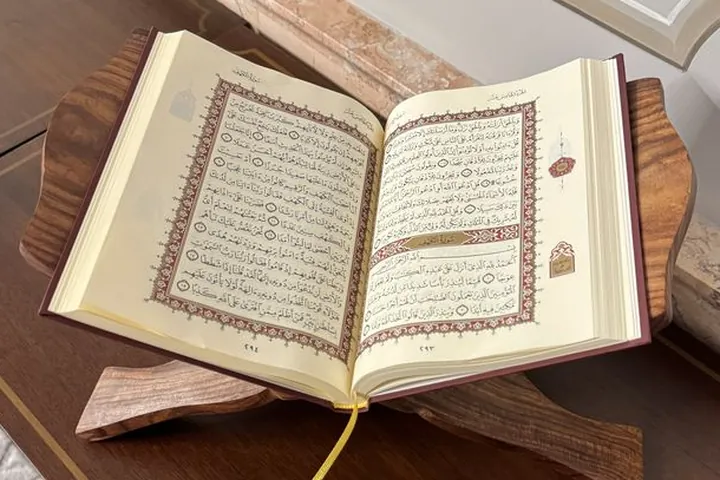
Make the learning space calm and inviting. A quiet corner, a clean place for the Qur'an, and your full attention for a few minutes say more than any instruction.
A structured class with a teacher can support what happens at home, especially for reading the Qur'an. Parents and teachers who communicate regularly help the child feel supported in both places.
This article offers general educational suggestions, not religious rulings.